How Long Do Water Heaters Last in Southern California?
By Anaheim Water Heater Pros · September 24, 2026 · 6 min read
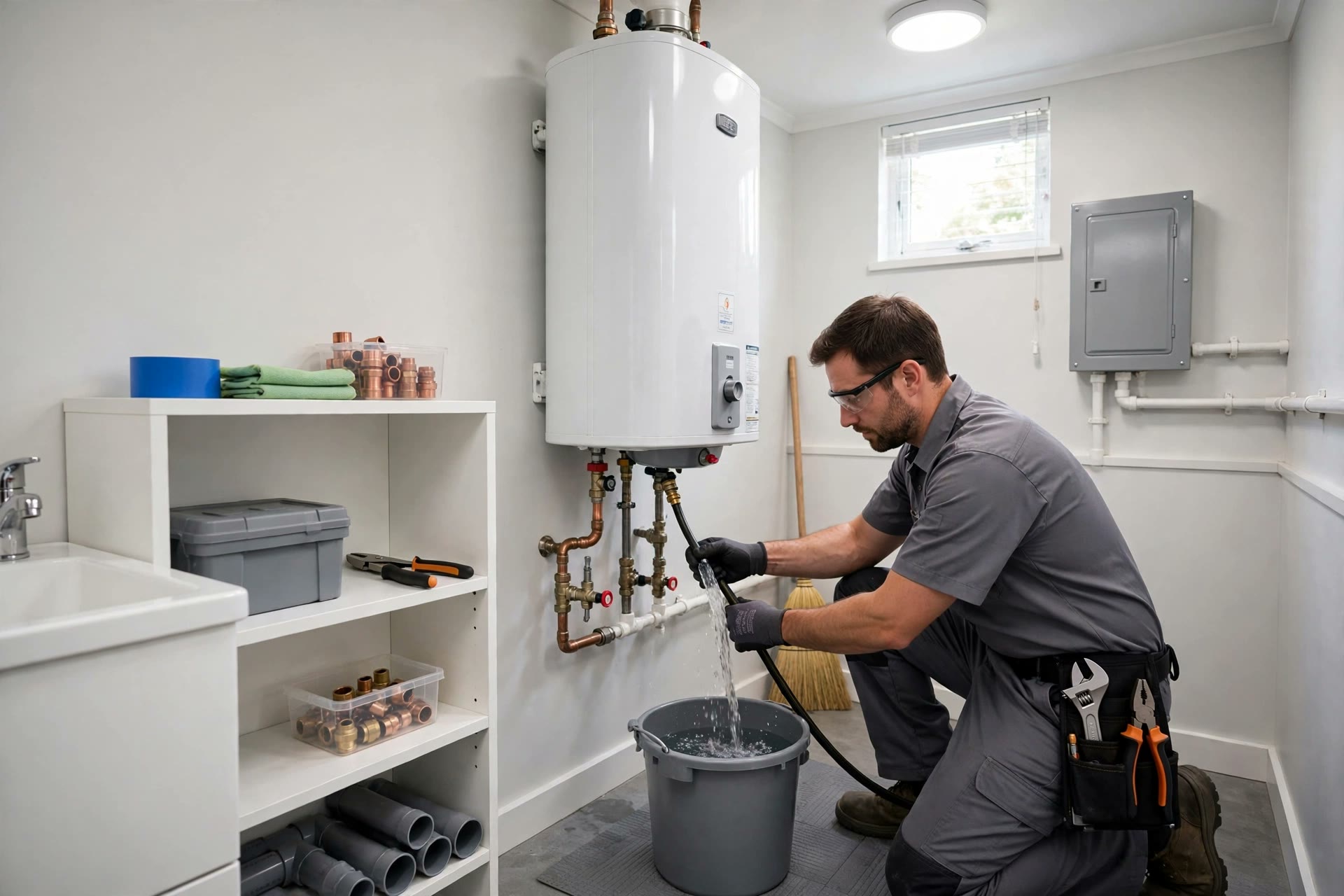
How long do water heaters last? It's the question behind every "repair or replace?" decision, and the answer depends on the type of unit, the quality of your local water, and whether it's been maintained. Here in Southern California, water heaters face a specific set of challenges, led by Anaheim's famously hard water. Here's what lifespan you can realistically expect, what shortens it, and how to squeeze every possible year out of your unit.
Average Water Heater Lifespan by Type
Manufacturer warranties and national averages are helpful, but after thousands of jobs across Anaheim and its neighborhoods, here's what we actually see in local homes:
- Gas tank water heater: 8 to 12 years. The workhorse of Anaheim garages. Constant heating cycles stress the steel tank, and sediment is the number-one killer.
- Electric tank water heater: 8 to 10 years. Electric elements burn out or get buried in sediment faster than gas burners wear out. Lifespan runs slightly shorter than gas in hard-water areas.
- Tankless water heater: 20+ years. With annual descaling, tankless units routinely outlast two generations of tank heaters. No stored water sitting against steel means far less corrosion.
- Heat pump (hybrid) water heater: 10 to 15 years. Efficient but less common in Anaheim; lifespan lands between tank and tankless.
The gap between tank and tankless is why we often recommend tankless for homeowners planning to stay long-term, one installation can cover two decades.
What Shortens a Water Heater's Life in Southern California
1. Anaheim's Hard Water and Sediment
This is the big one. Much of Anaheim's water supply is moderately hard to very hard, loaded with calcium and magnesium. Every gallon your heater processes leaves mineral deposits behind. Over years, sediment blankets the bottom of a tank heater, forcing the burner to run longer and hotter to heat through it, overheating the tank floor, wasting energy, and eventually cracking the steel. In tankless units, scale coats the heat exchanger and chokes efficiency. Homes that never flush their heater can lose 3 to 5 years of lifespan to sediment alone.
2. Skipped Maintenance
Water heaters are "set and forget" appliances, until they aren't. Most manufacturers require annual flushing to keep the warranty valid, yet the majority of units we replace have never been flushed once. No flush means sediment hardens into an insulating crust, the anode rod dissolves unnoticed, and minor issues (a weeping valve, a failing thermostat) go undetected until they become major ones.
3. High Thermostat Settings
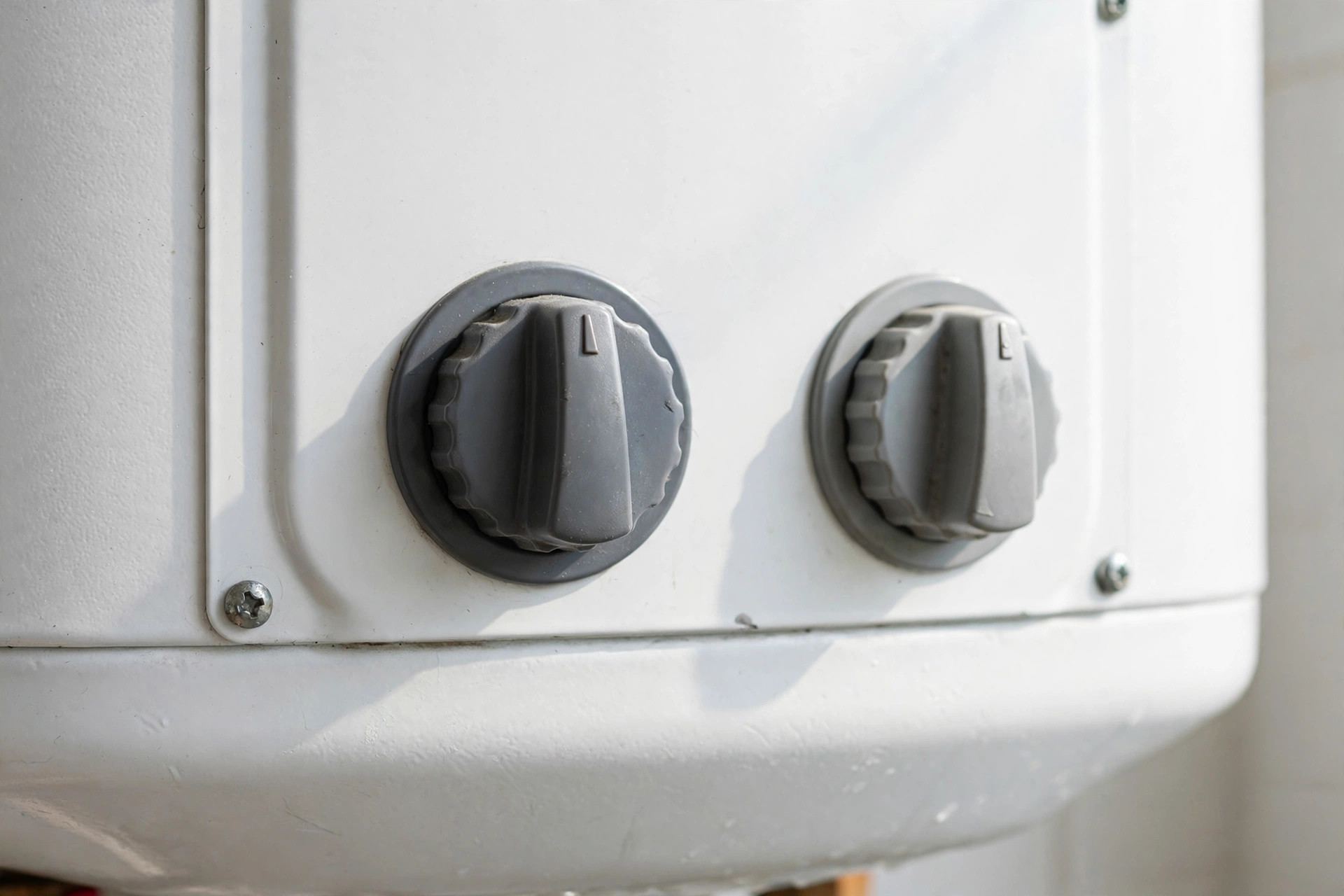
Cranking the thermostat to 140°F or higher accelerates tank corrosion and scale formation significantly, heat speeds up nearly every destructive chemical process inside the tank. It also wastes energy and creates a scalding risk. The U.S. Department of Energy recommends 120°F for most households: hot enough for comfortable showers and dishwashers, gentle enough to slow corrosion.
4. An Undersized or Overworked Unit
A 40-gallon tank serving a family of six never gets a break, it reheats constantly, and the burner or elements wear out years early. Undersizing is common in older Anaheim homes where families have grown but the heater never changed. If your heater seems to run constantly, it may be working itself to an early grave.
5. A Depleted Anode Rod
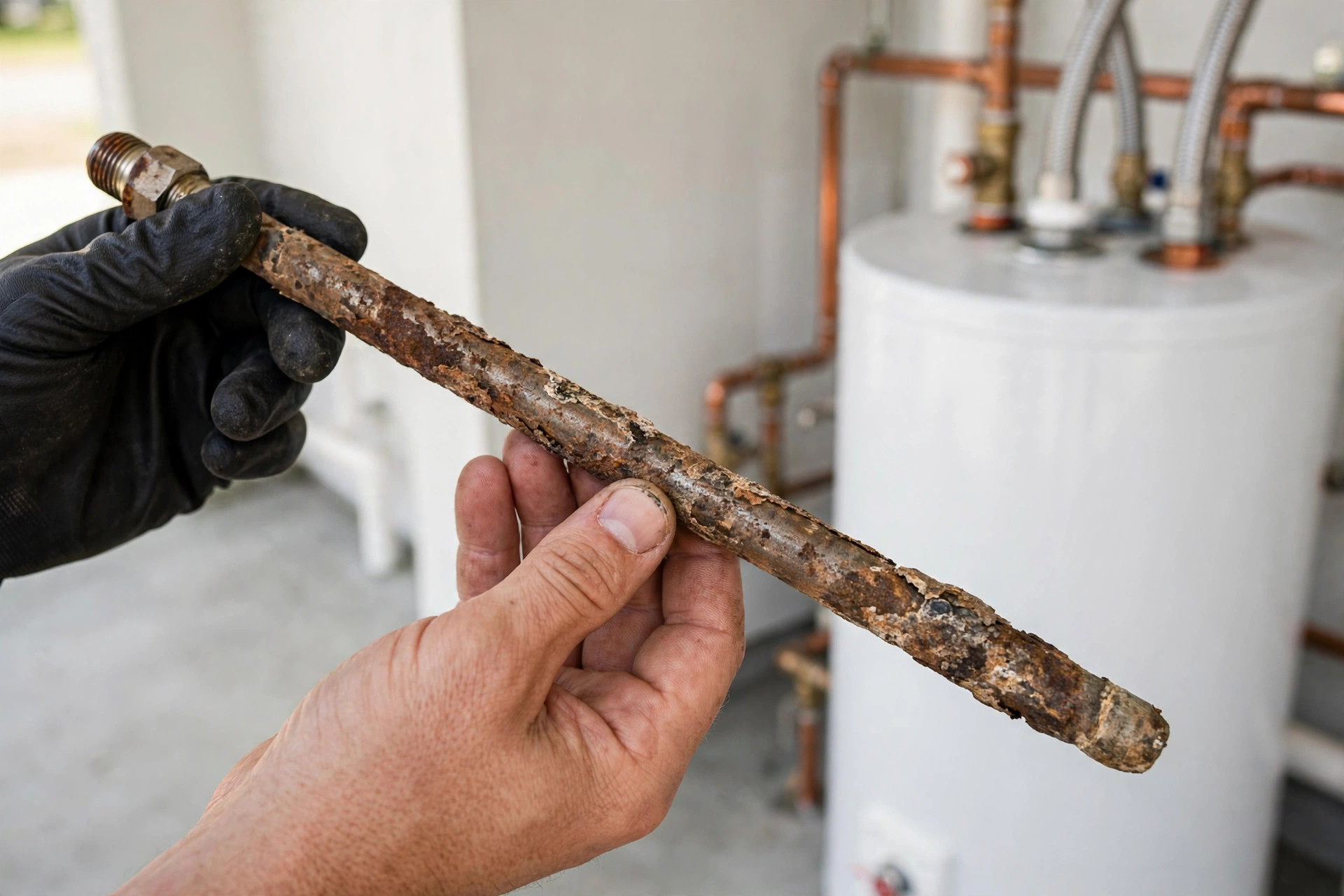
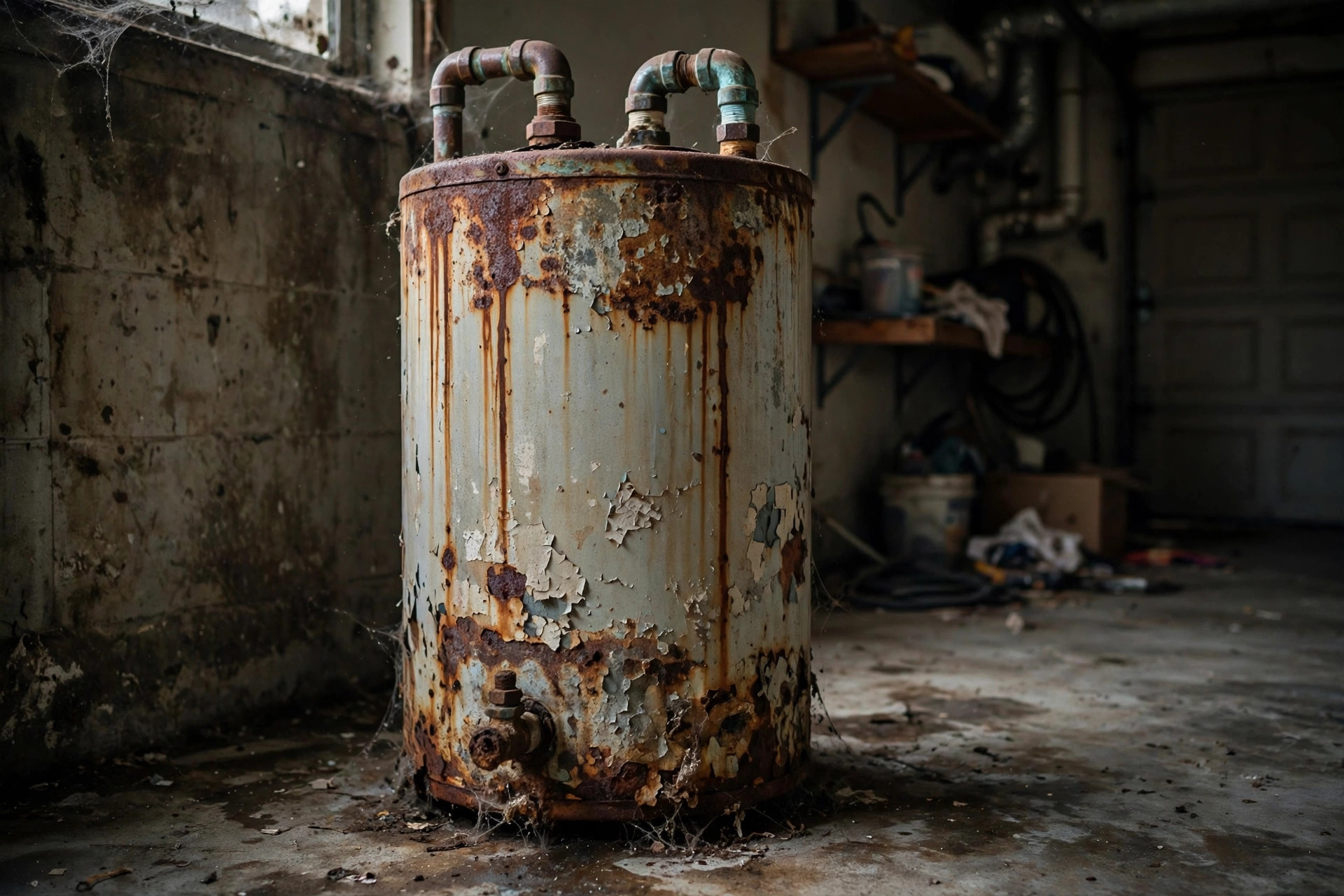
Every tank water heater contains a sacrificial anode rod, a magnesium or aluminum rod that corrodes instead of the tank. It's the tank's bodyguard, and it typically lasts 3 to 5 years in hard water. Once it's gone, corrosion attacks the steel tank directly. Almost no homeowner checks their anode rod, which is why so many tanks fail "suddenly" at year 9 or 10.
How to Make Your Water Heater Last Longer
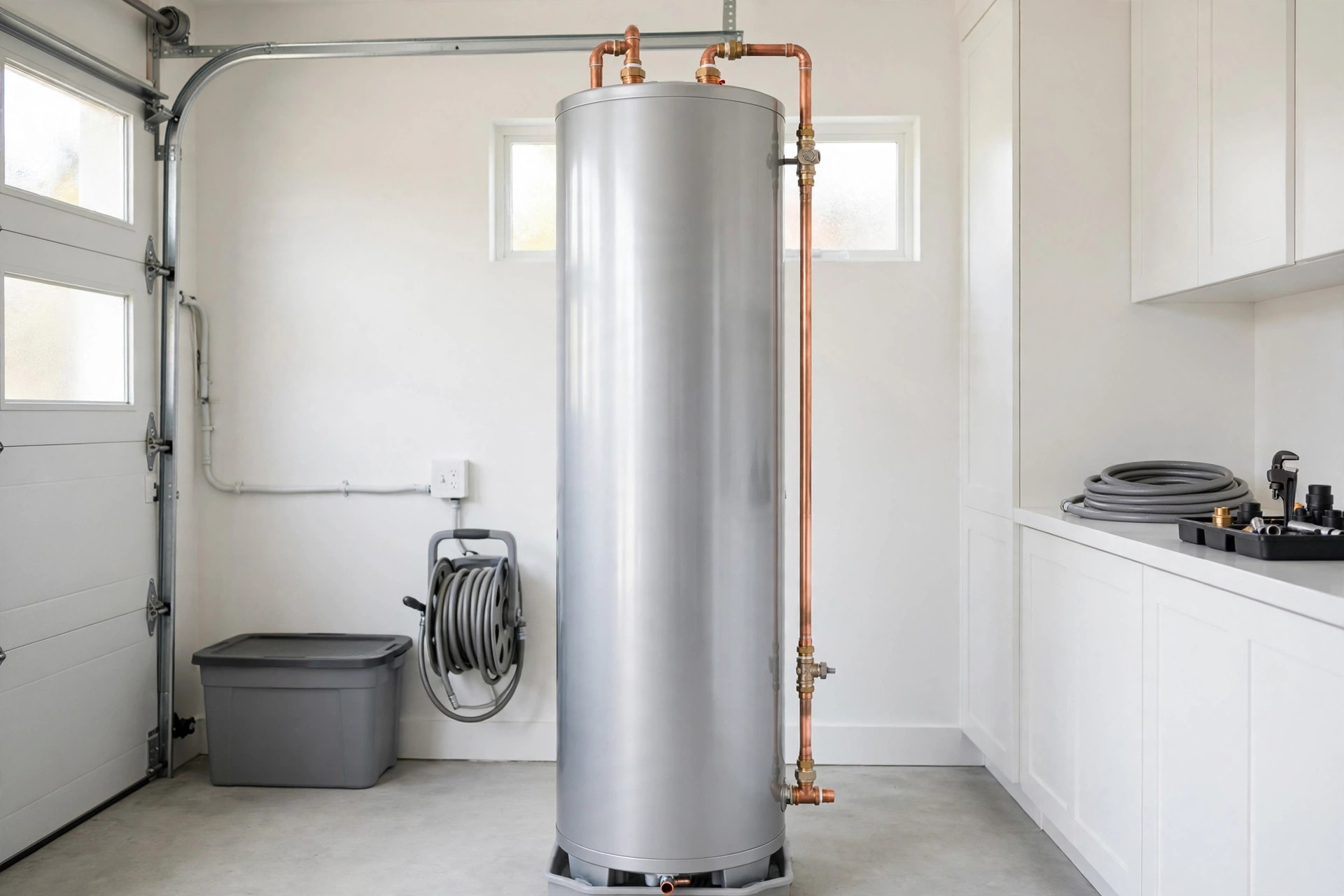
Good news: most of the lifespan killers above are preventable. These five habits will add real years to your unit:
- Flush the tank annually. Draining sediment once a year is the highest-impact maintenance there is. It takes a professional about an hour, and for tankless units, an annual descaling flush does the same job.
- Check the anode rod every 3 years. Replacing a worn anode rod can add 3 to 5 years to a tank's life. If more than half the rod is corroded away, replace it.
- Set the thermostat to 120°F. You'll slow corrosion, cut energy waste, and eliminate scalding risk in one move.
- Install an expansion tank. Required by current code in Anaheim, an expansion tank absorbs pressure spikes from thermal expansion, spikes that otherwise stress the tank and the T&P relief valve.
- Consider a water softener or scale filter. If your home has very hard water, reducing mineral content protects not just the heater but every fixture and appliance in the house.
When to Replace Proactively (Instead of Waiting for Failure)
A water heater that dies on its own schedule picks the worst possible moment, usually with a flooded garage. Replacing on your schedule is cheaper and far less stressful. Consider proactive replacement when:
- Your tank unit is 10+ years old, even if it's still working.
- You've needed two or more repairs in the past year.
- You notice rusty water, rumbling, or moisture around the base, see our guide to the 7 signs you need a new water heater.
- Your energy bills keep climbing with no change in usage.
- You're remodeling or selling, a new, warrantied heater is a selling point, not a liability.
A planned replacement lets you compare tank vs. tankless options calmly, get multiple quotes, and schedule the work at your convenience, typically finished in half a day.