7 Signs You Need a New Water Heater (Anaheim Homeowner's Guide)
By Anaheim Water Heater Pros · September 24, 2026 · 6 min read
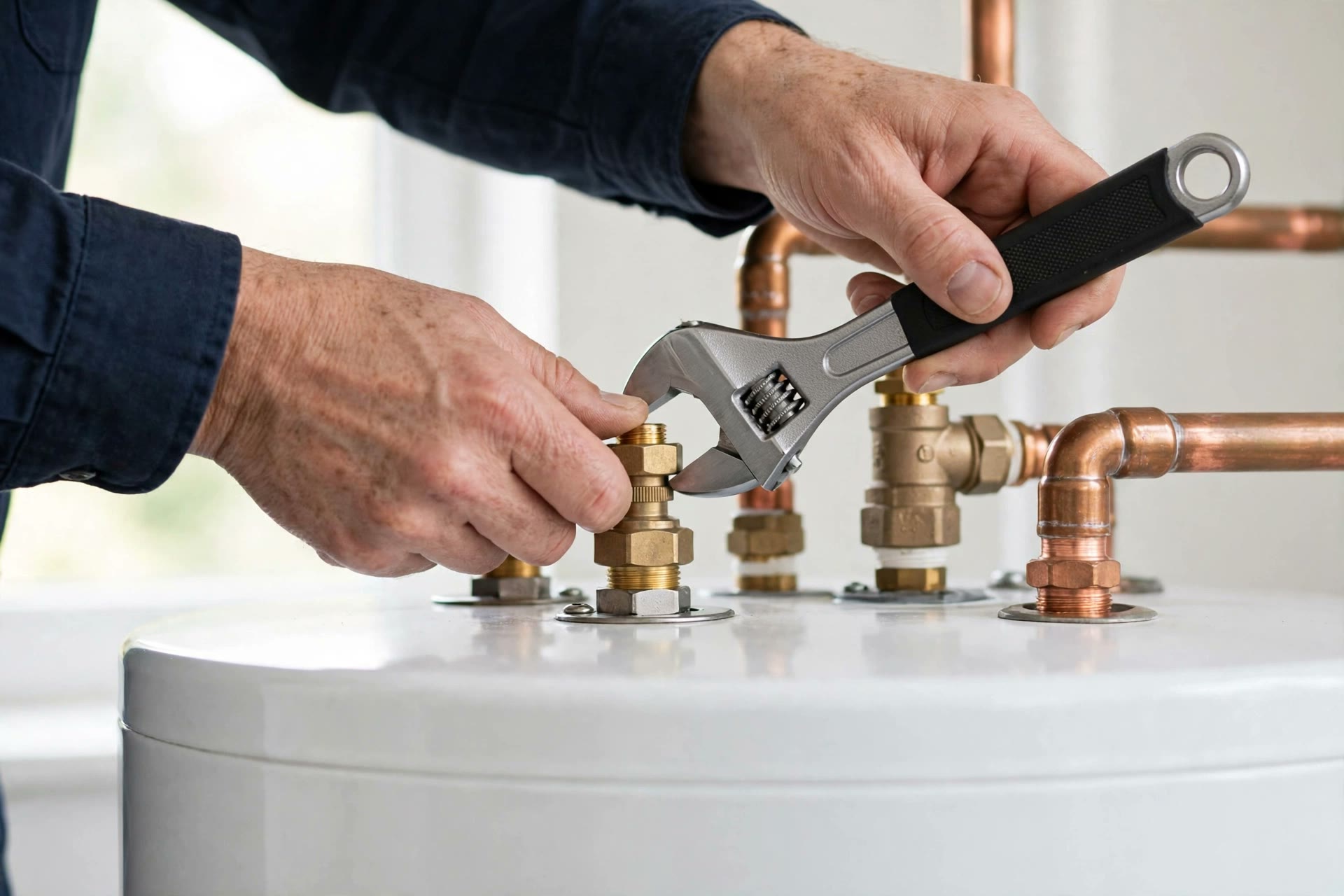
Water heaters rarely die without warning, they whisper first. The problem is that most Anaheim homeowners don't recognize the warning signs until they're standing in a puddle of water or a cold shower. Knowing when your water heater needs replacing (versus a simple repair) can save you from emergency damage, surprise costs, and days without hot water. Here are the seven signs we tell every homeowner to watch for.
1. Your Water Heater Is 10+ Years Old
Age is the single most reliable predictor of water heater failure. A traditional tank water heater lasts 8 to 12 years in Southern California. If yours is past its 10th birthday, it's living on borrowed time, even if it still works. Check the manufacture date on the rating plate sticker on the side of the tank (it's usually encoded in the serial number).
What to do: If your unit is 10+ years old, start planning a replacement now rather than waiting for it to fail. Proactive replacement costs the same as an emergency swap, minus the water damage and stress.
2. Rusty or Discolored Hot Water
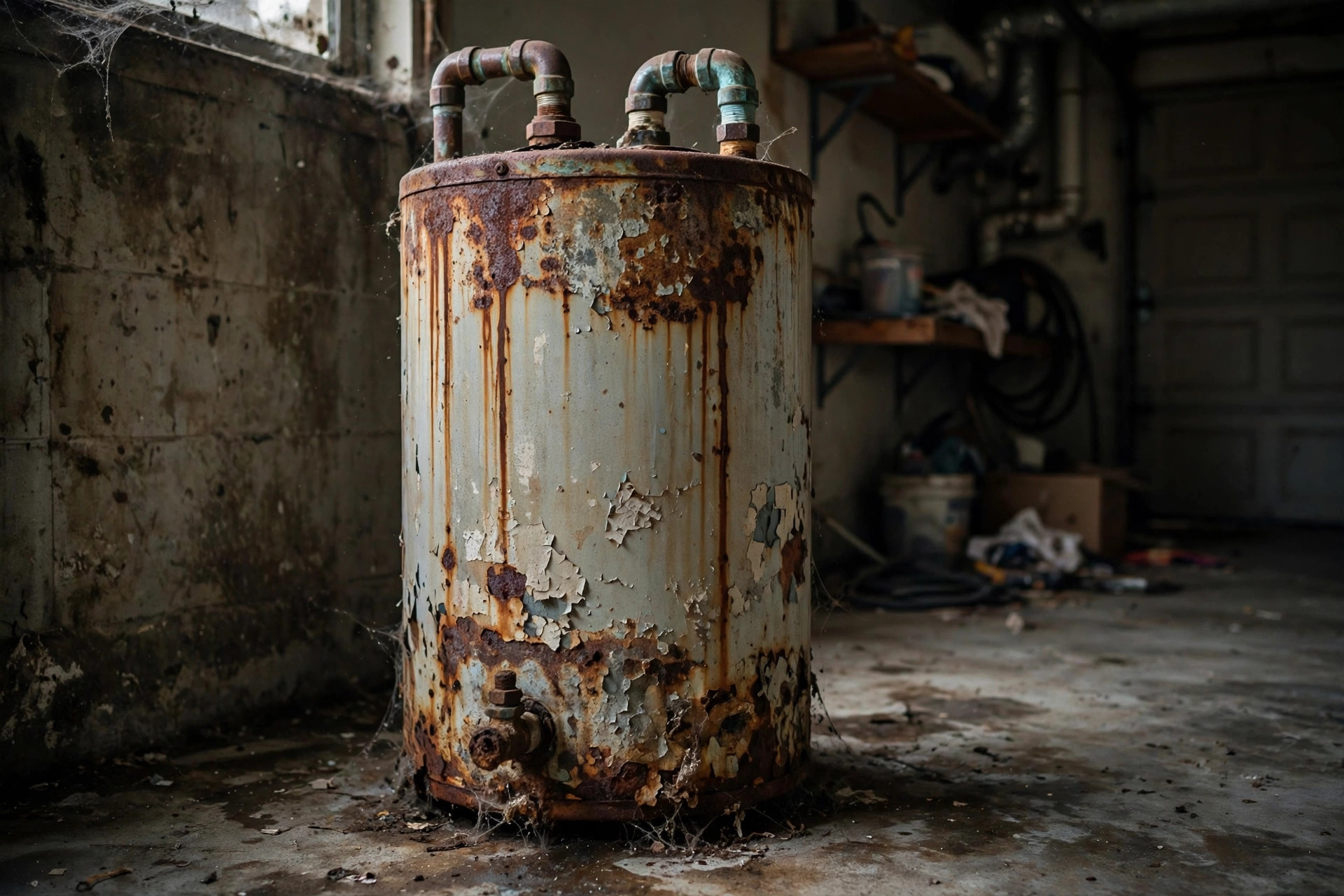
Rusty-colored water coming from your hot taps is a classic sign that the inside of your tank is corroding. Before you panic, check whether the discoloration appears in the cold water too, if it does, the issue may be old galvanized pipes, not the heater. But if only the hot water is rusty, metallic-tasting, or smells odd, your tank is likely rusting from the inside out.
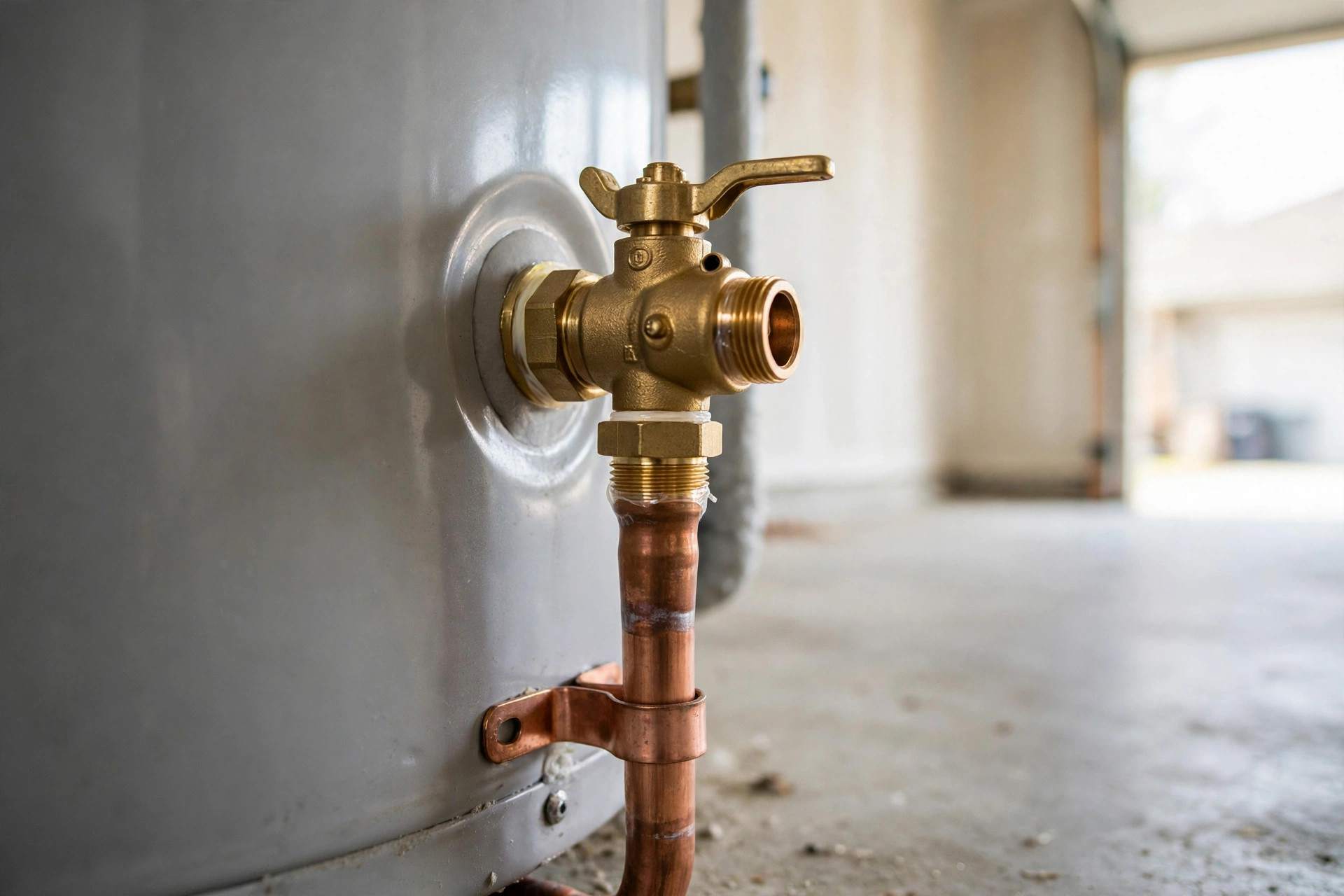
What to do: Drain a bucket of water from the tank's drain valve. If it comes out rusty, call for an inspection. Internal rust can't be repaired, once the tank itself is corroding, replacement is the only fix.
3. Rumbling, Popping, or Banging Noises
Water heaters should be quiet. If yours sounds like it's making popcorn, you have a thick layer of sediment buildup on the bottom of the tank. Anaheim's hard water is full of minerals, and every gallon that passes through your heater leaves a little behind. The burner superheats trapped water beneath the sediment, creating steam bubbles that pop and rumble.
Sediment makes the heater work harder, wastes energy, and overheats the tank floor, which eventually cracks. What to do: A professional flush can help if the noise is new. But if the unit is old and the sediment has hardened into a thick crust, flushing may not save it, and it's a sign the tank has been struggling for years.
4. Leaks or Moisture Around the Tank
This is the one sign that means act today. Small amounts of moisture around fittings or the temperature-pressure relief valve can sometimes be a simple fix. But water pooling under the tank itself, or a slow, steady drip from the tank body, means the steel tank has developed a crack or pinhole from internal corrosion.
Here's the hard truth: a leaking tank cannot be repaired. Patches and sealants don't work on pressurized, heated steel. What to do: Turn off the water supply to the heater, and if it's gas, turn the gas to "pilot" or off. Then call for replacement. Call for current availability. A leaking 50-gallon tank can flood a garage fast.
5. Inconsistent Water Temperature
Showers that swing from scalding to lukewarm, or hot water that runs out much faster than it used to, often point to a failing heating element, a broken dip tube, or heavy sediment blocking heat transfer. On a younger unit (under 8 years), these are usually repairable issues.
What to do: If your heater is relatively new, a repair usually solves it. If the unit is also aging or has other symptoms on this list, inconsistent temperature is another vote for replacement rather than throwing money at a dying tank.
6. Rising Energy Bills
Water heating is typically the second-largest energy expense in a home. As sediment builds up and components wear, your heater works longer and harder to deliver the same hot water, and your gas or electric bill quietly climbs. If your utility bills have risen noticeably and your usage hasn't changed, your water heater's efficiency has likely tanked.
What to do: Compare bills year over year. A steady upward trend on an aging unit is a strong signal that replacement, especially with a high-efficiency or tankless model, will pay for itself in energy savings.
7. Frequent Repairs
One repair on a water heater is normal. Two repairs in a year is a warning. Three is a pattern, and a financial one. A good rule of thumb: if a repair costs more than half the price of a new unit, or if you've needed two or more repairs in 12 months, stop investing in the old heater.
What to do: Add up your repair costs over the past two years. If the total is approaching the price of a new unit, that money is better spent toward a new, warrantied unit with years of reliable service ahead.
Repair or Replace? A Quick Decision Guide
Repair it if: it's under 8 years old, the issue is a single component (thermostat, element, valve, pilot), and this is its first problem. Most repairs run far less than replacement and add years of life.
Still unsure? We'll inspect your unit and give you an honest, written recommendation, we repair plenty of heaters we could have sold replacements for. Get your free assessment →
What to Do Next
If you recognized one or more of these signs, don't wait for a failure to force your hand. An emergency replacement always costs more than a planned one, and comes with water damage risk. Here's your next step:
- Check your unit's age on the rating plate sticker.
- Look for visible leaks, rust, or moisture around the base.
- Call (657) 347-3200 for an honest on-site assessment.
We'll tell you straight whether a repair will do or whether it's time for a new unit, and if it's time, we offer water heater installation across Anaheim with upfront pricing and permit handling included. Fast scheduling, call for current availability.