Tank vs. Tankless Water Heaters: Which Is Right for Your Anaheim Home?
By Anaheim Water Heater Pros · September 24, 2026 · 7 min read
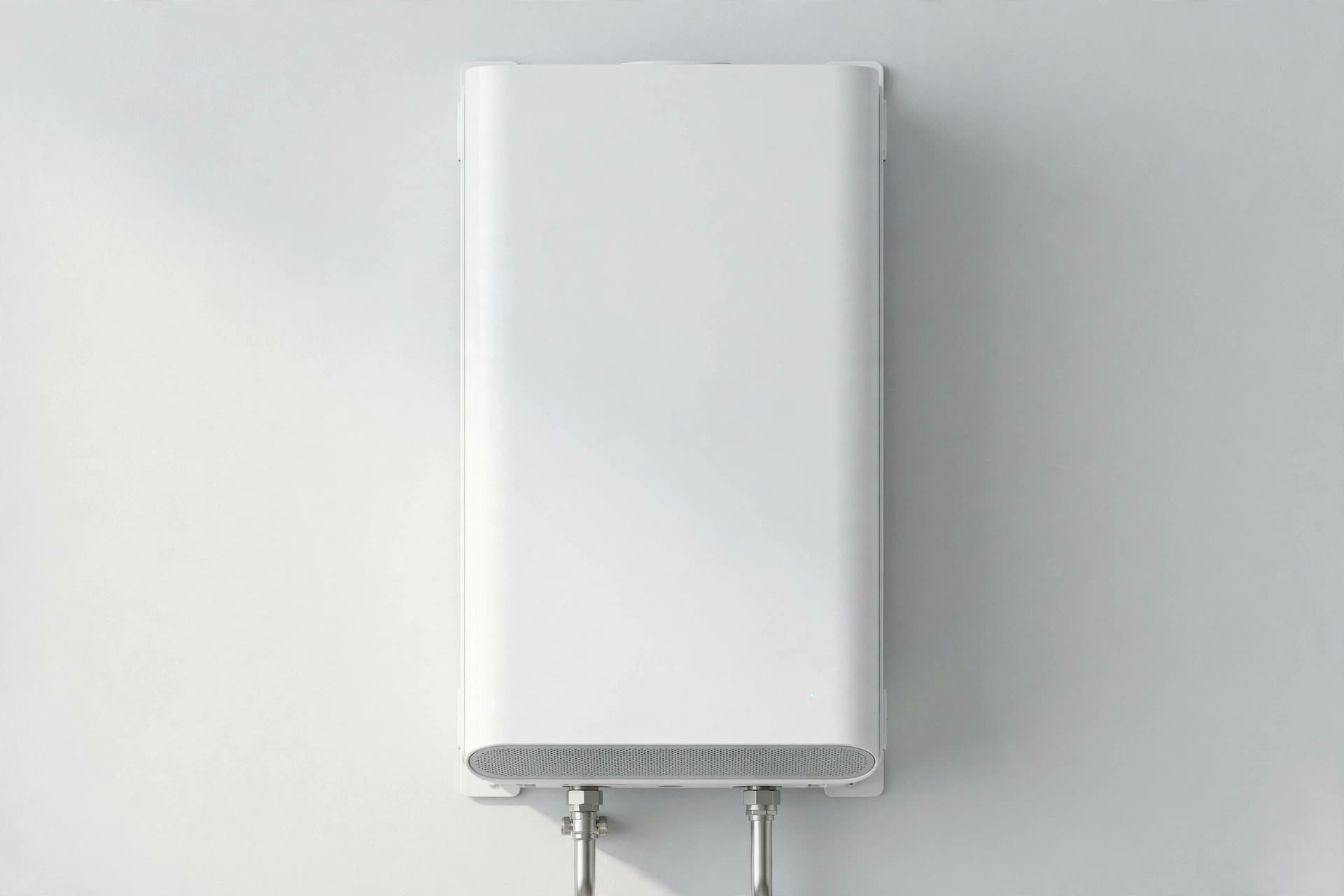
The tank vs. tankless water heater debate comes up in nearly every Anaheim home we visit. On one hand, traditional tank heaters are cheaper to buy and easy to install. On the other, tankless water heaters promise endless hot water and noticeably lower energy bills. So which is actually the better choice for a Southern California home? Here's an honest, no-hype breakdown from technicians who install both every week.
How Each Type Works
Traditional Tank Water Heaters
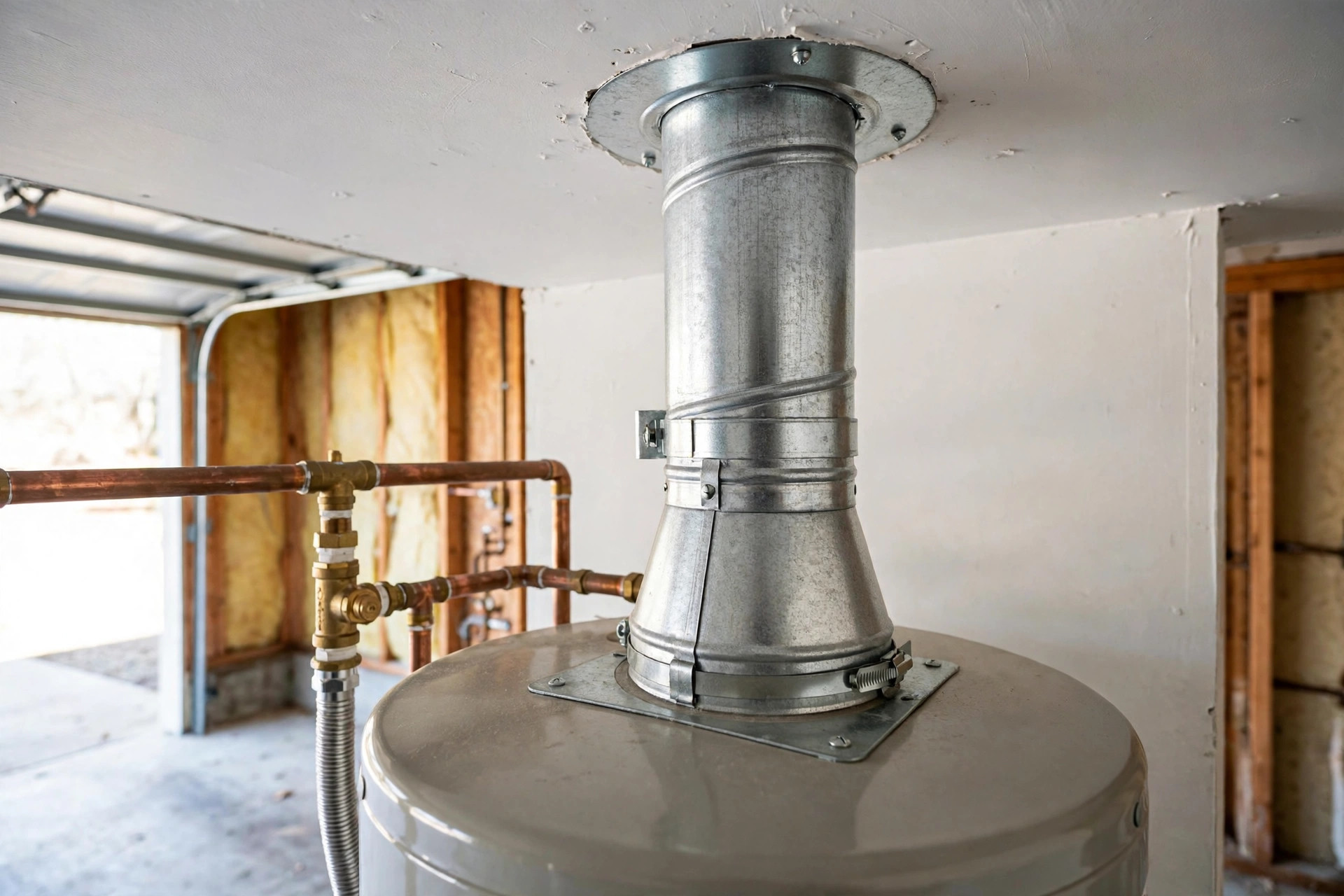
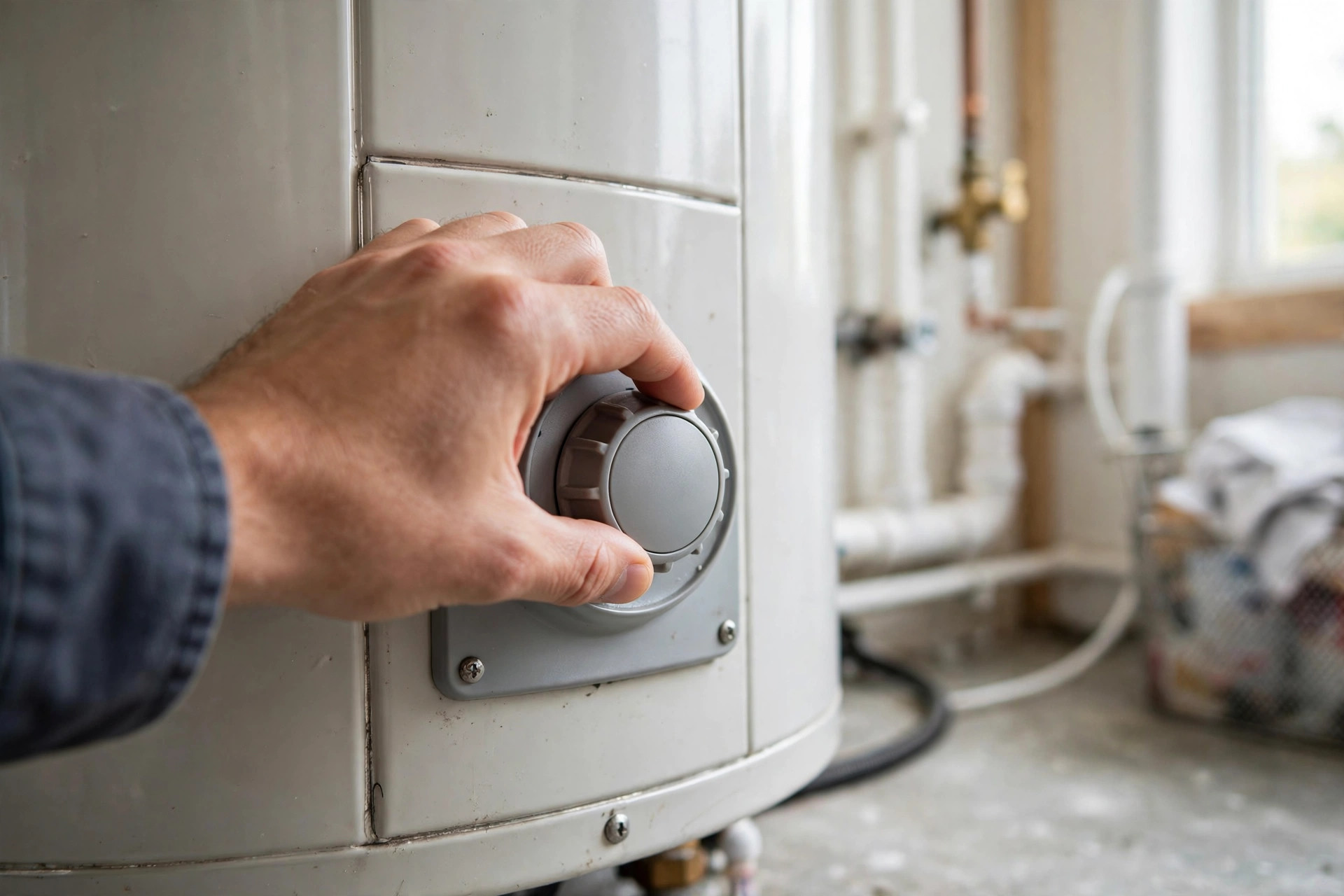
A tank water heater stores 30 to 80 gallons of water in an insulated tank and keeps it hot around the clock using a gas burner or electric elements. When you open a hot tap, hot water leaves the top of the tank and cold water refills the bottom, where it gets reheated. Because the tank is always hot, you always have hot water ready, but you're also paying to heat water while you're at work, asleep, or on vacation. This is called "standby heat loss."
Tankless (On-Demand) Water Heaters
A tankless water heater has no storage tank. When you turn on a hot tap, cold water flows through a compact heat exchanger where a powerful gas burner (or electric elements) heats it instantly. The moment you turn the tap off, the burner shuts down. No tank, no standby heat loss, and no running out of hot water, the unit keeps heating as long as water keeps flowing.
Upfront Cost vs. Long-Term Savings
Let's talk money, because that's where most Anaheim homeowners start. A standard 40 to 50 gallon tank installation in Anaheim usually includes the unit, permit, code upgrades, and haul-away. A whole-home tankless installation costs more upfront, the unit itself is pricier, and gas models often need a larger gas line and dedicated venting. Call for a free written estimate with exact pricing for both options.
So tankless costs more upfront. Where it wins is energy use. According to the U.S. Department of Energy, tankless water heaters can be 24 to 34% more energy efficient than conventional storage tank models for homes that use 41 gallons or less of hot water daily, because there's no standby heat loss. For a typical Anaheim household, that means lower gas bills year after year, so the upgrade typically pays for itself over years of ownership.
- Choose tank if budget is tight, you plan to move within a few years, or your current setup makes a tankless retrofit unusually expensive.
- Choose tankless if you're staying put, want lower utility bills long-term, and value endless hot water.
Lifespan: How Long Each One Lasts
Here's one of the biggest differences. A traditional tank water heater lasts 8 to 12 years in Southern California. Constant heat cycles stress the tank, and Anaheim's hard water leaves sediment that corrodes it from the inside.
A tankless water heater, with annual descaling, lasts 20+ years, essentially double the life of a tank. Fewer parts sit in contact with water, so there's simply less to corrode. Over 20 years, you might replace a tank heater twice but buy only one tankless unit, which narrows that upfront cost gap considerably.
Hot Water Capacity and Sizing for Your Family
A tank heater is sized by gallons: a 40-gallon tank suits 1 to 2 people, a 50-gallon tank suits 2 to 4 people. The downside is that once the stored hot water is gone, say, after two back-to-back showers and a dishwasher cycle, you wait 30 to 60 minutes for recovery.
Tankless units are sized by flow rate (gallons per minute, or GPM) and temperature rise. A gas tankless unit delivering 8 to 9 GPM can run two showers and a dishwasher simultaneously without breaking a sweat. The catch: if demand exceeds the unit's flow rate (for example, three showers plus laundry all at once), water temperature can dip. Proper sizing matters, we calculate your household's peak demand in GPM and match the unit to it, so you get endless hot water that stays hot.
- 1 to 2 person household: either option works; a 40-gallon tank or a mid-size tankless unit.
- 3 to 4 person household: 50-gallon tank or an 8 to 9 GPM tankless unit.
- 5+ people or luxury fixtures (soaking tubs, rain showers): tankless (9 to 11 GPM) or two tankless units in tandem for true unlimited capacity.
Installation Considerations in Anaheim Homes
Swapping tank-for-tank is the simplest job in the industry, same footprint, same connections, usually done in 2 to 4 hours. Converting to tankless involves more work, and it's worth knowing what's typically required:
- Gas line upgrade: Tankless burners are powerful (often 150,000 to 199,000 BTU). Many older Anaheim homes have a ½" gas line that must be upsized to ¾" to feed the unit safely.
- Venting: Gas tankless units need dedicated stainless-steel or PVC venting to the exterior, plus a condensate drain for high-efficiency condensing models.
- Location: Tankless units mount on the wall (indoor or outdoor) and free up floor space, a real plus in tight Anaheim garages and closets.
- Permits: The City of Anaheim requires a permit for either type of replacement, including seismic strapping and code updates. We handle all of it.
Maintenance Requirements
Both types need attention, but tankless units are less forgiving of neglect, especially in Anaheim, where mineral-heavy water leaves scale on the heat exchanger.
- Tank: Annual flush to remove sediment, plus an anode rod inspection every 2 to 3 years. Skip the flush and sediment hardens into a rock-like layer that kills efficiency.
- Tankless: Annual descaling flush (a 45-minute service) and inlet filter cleaning. Most manufacturers require documented annual maintenance to keep the warranty valid.
Upfront Pricing, Written Quotes
No surprises. Every job gets an upfront written quote before work begins. Call (657) 347-3200 for upfront pricing. You approve the exact price before we start.
Call (657) 347-3200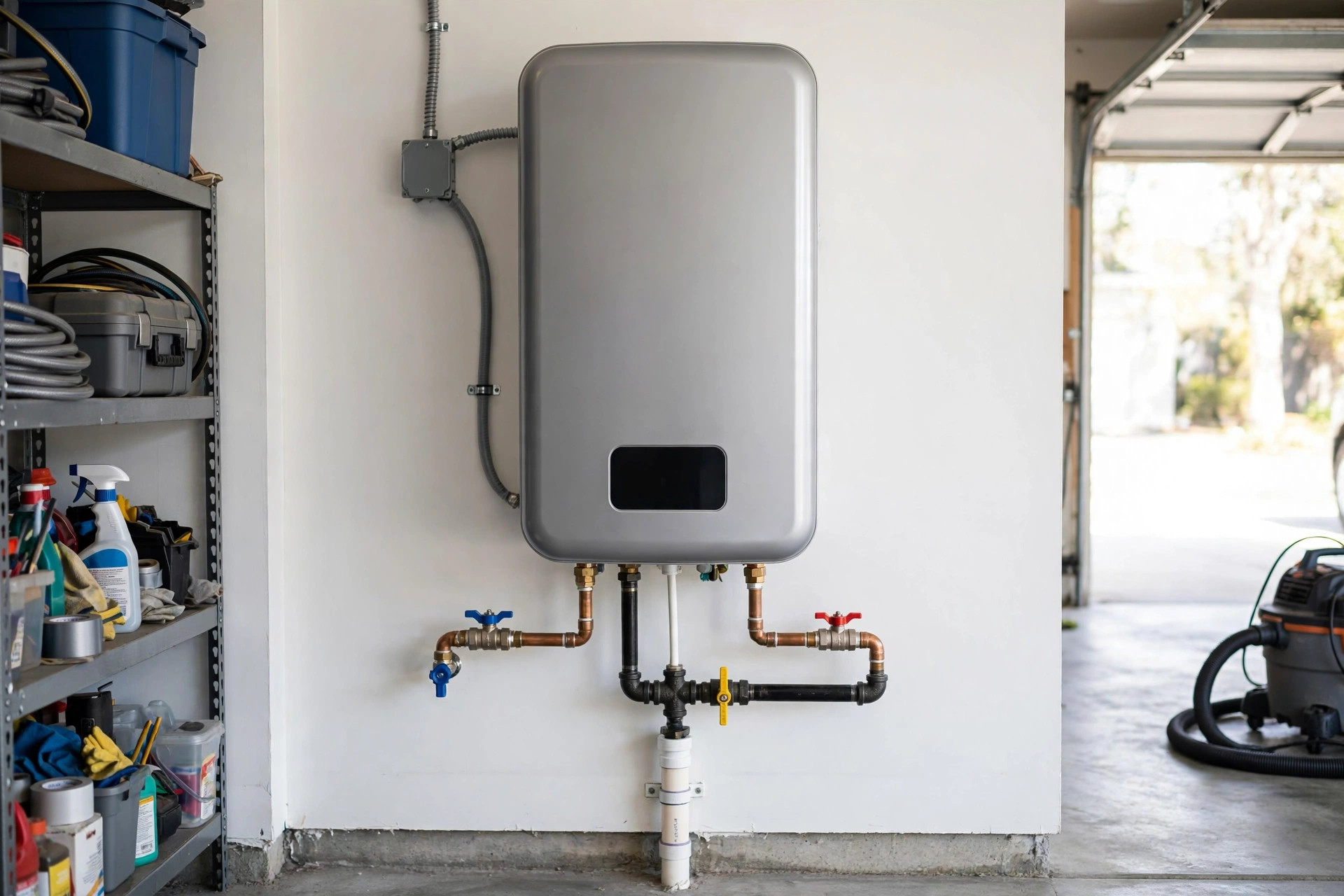
So, Which Should You Choose?
There's no universally "right" answer, but there's a right answer for your home. Choose a tank if upfront cost is the priority, your current setup is already tank-based, or you expect to sell the home within a few years. Choose tankless if you plan to stay, want the lowest long-term cost of ownership, crave endless hot water, or want to free up garage space.
Still on the fence? That's exactly what a professional sizing visit is for. We'll look at your gas line, venting options, household size, and budget, then lay out both options with honest, written pricing, so you can decide with real numbers, not sales pressure.